


Heatless curls: trend or here to stay?
Our verdict
Here to stay.
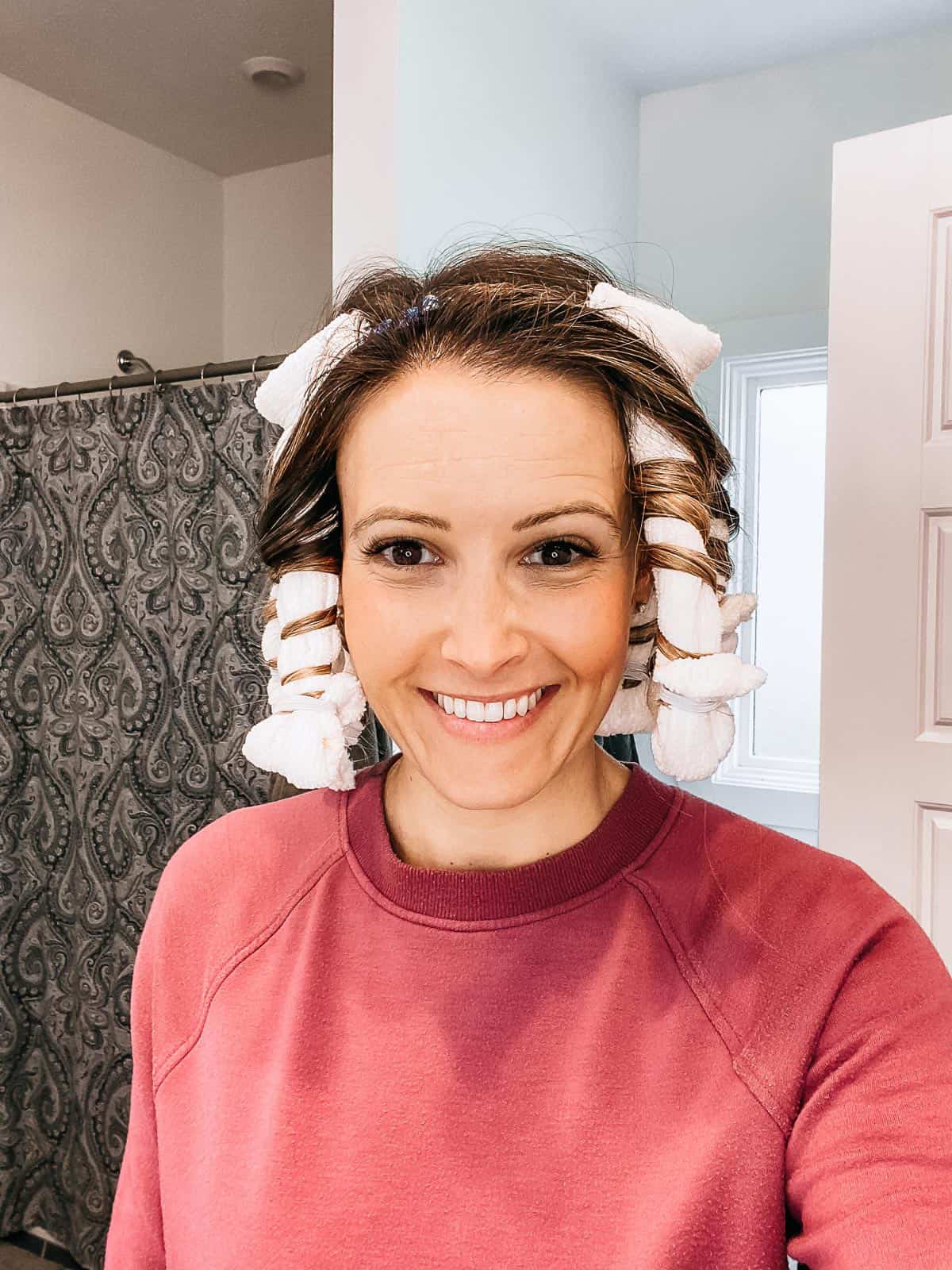
Photo: House Five Living
If your feed has turned into a parade of robe belts, satin ribbons and socks tied into hair at bedtime, you're not imagining it. Heatless curls are everywhere.
The idea is simple. Wrap your hair at night, sleep on it, and unwrap soft curls in the morning. No curling iron. No blow dryer. No standing at the mirror holding a hot barrel next to your ear.
It looks almost too simple, which is usually when we get suspicious. So we did what we do with every trend in our Trend or here to stay? series. We found what the experts actually publish, read it, and made our call.
Spoiler: it's in the title.
What dermatologists say about heat
Our source is the American Academy of Dermatology (AAD), the professional organization for dermatologists in the US. Its public page, Tips for healthy hair, was reviewed by five board-certified dermatologists and last updated in August 2024.
On heat, it doesn't hedge: "No matter your hair type, excessive heat can cause damage. Limit blow drying and use of tools like flat or curling irons."

When you do reach for hot tools, it suggests "low or medium heat settings and a product to protect your hair from the heat."
Notice the tool it names. Curling irons. That's exactly what heatless curls replace.
Why heatless curls are here to stay
Most beauty trends ask you to buy something new. This one asks you to use less.
The tools are already in your drawer. The work happens while you sleep. And it lines up with what dermatologists already tell the public about heat.
We've been in beauty for more than 10 years, and we've watched plenty of trends come and go. The ones we see stick make your routine simpler, not more expensive. Heatless curls do both. That's why we think they're here to stay.
How to do heatless curls overnight
Think of it as a sleepover for your hair. These are our how-to tips, and where a step comes from the AAD, we say so.
- 01Dry gently first. Start with damp hair, not soaking wet, so it can dry overnight. Blot instead of rubbing. The AAD suggests wrapping hair in a towel or t-shirt "to gently absorb the moisture, as roughly rubbing your hair dry can cause damage."
- 02Detangle with a wide-tooth comb. Hair is delicate when it's wet, so the AAD recommends a wide-tooth comb over a brush.
- 03Wrap it, snug not tight. A robe belt, a silk ribbon or a soft sock all work. You want the hair to hold the shape, not pull at your scalp.
- 04Sleep on it. Let your hair dry fully before you unwrap.
- 05Unwrap gently. Slide the wrap out and break the curls apart with your fingers.
- 06Keep it going from the inside. Your wrap takes care of tonight. To support stronger, thicker hair from the inside out, add HairRx to your routine. It's our hair gummy, made with Ceramosides®. Two a day.

Your first night is practice. Give it a few nights to find the wrap that suits your hair.

HairRx
You try the trends. HairRx works from the inside, supporting stronger, thicker hair while you do. Our hair gummy, made with Ceramosides®. Two a day.
Shop HairRxQuick answers
Are heatless curls bad for your hair?
They leave out the hot tools the AAD tells you to limit. How you wrap and unwrap still matters, so keep it gentle.
Can you do heatless curls on wet hair?
We'd start with damp, not soaking wet, so it dries overnight. The AAD notes hair is delicate when it's wet, so don't wrap it tight.
How long do you leave heatless curls in?
Until your hair is fully dry. For most people that means overnight.
xo, Glotrition
Source: American Academy of Dermatology, Tips for healthy hair.